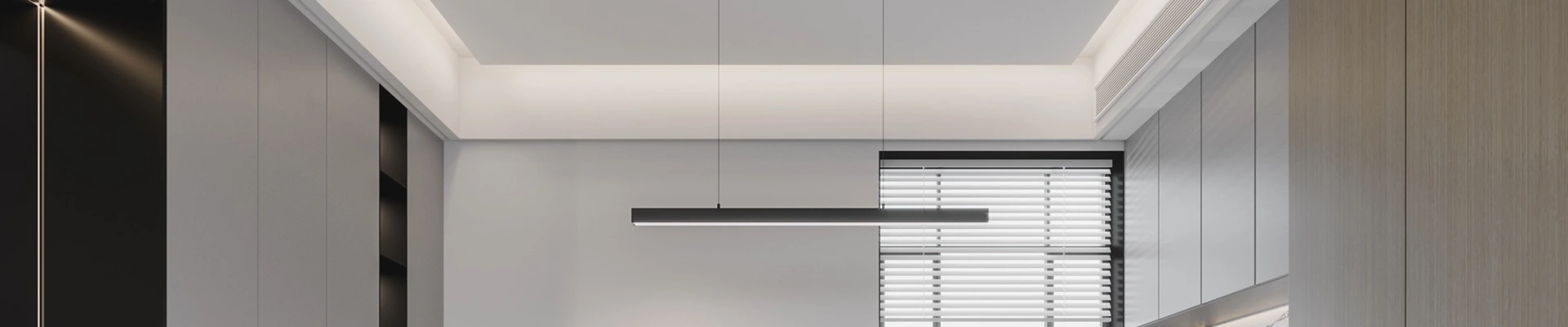
How Does LED Technology Improve The Brightness And Battery Life Of Telescopic Lights?
JHOW Optoelectronic Technology Co., Ltd. explores how modern Telescopic Light systems evolve through LED innovation, especially in brightness control and energy efficiency for portable and extendable lighting scenarios. In recent years, lighting design has shifted from simple illumination to intelligent energy management, where both visibility and endurance must coexist in compact structures.
The discussion around How Does LED Technology Improve The Brightness And Battery Life Of Lights? is no longer theoretical. It reflects real engineering decisions in optical design, thermal control, and power optimization that directly shape user experience in portable lighting environments.
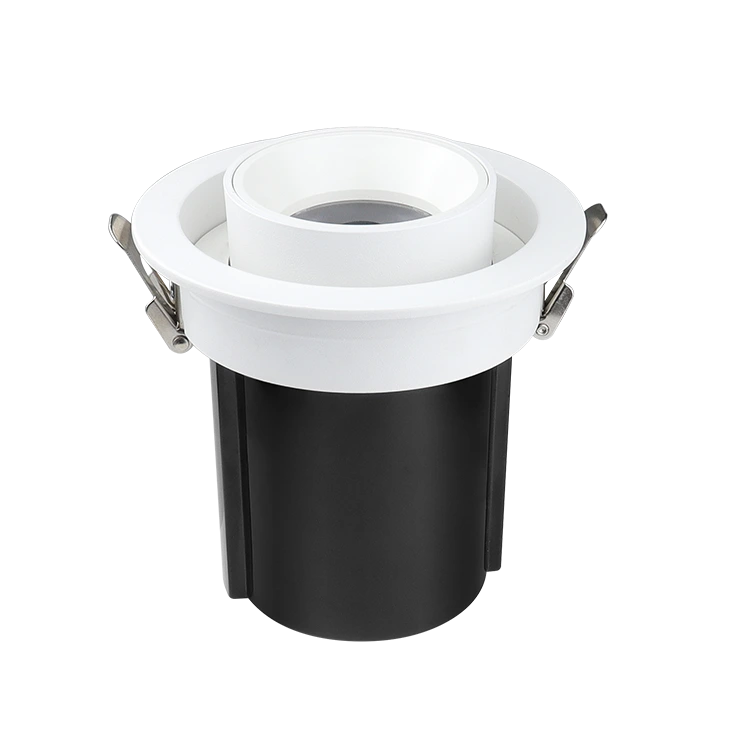
LED Efficiency and Optical Output
LED technology has fundamentally changed how compact lighting systems deliver brightness. Unlike traditional filament-based sources, LEDs convert a higher proportion of electrical energy into visible light rather than heat, making them suitable for compact and extendable structures.
In a typical Telescopic Light design, optical efficiency is influenced by three main factors: chip luminous efficacy, lens control, and beam shaping. The use of precision optical lenses—such as 24° focused beam systems—helps concentrate light into usable zones without unnecessary diffusion loss.
Key Improvements in LED Optical Systems
- Higher lumen output per watt reduces energy waste
- Lens-based beam control improves focus accuracy
- Reduced scattering enhances perceived brightness
- Stable color rendering ensures visual consistency
These improvements allow modern lighting systems to maintain clarity even in adjustable-length structures where light distribution can otherwise become uneven.
Why LED Improves Battery Life
Battery performance in portable lighting depends not only on capacity but also on how efficiently energy is consumed. LED technology plays a central role in extending operational duration by minimizing unnecessary energy loss.
One of the key advantages is reduced thermal dissipation. Traditional light sources lose significant energy as heat, requiring more power input to maintain brightness. LEDs, however, operate at lower thermal loads, allowing more stable energy usage over time.
Another factor is driver efficiency. Modern constant-current drivers regulate power delivery more precisely, preventing energy spikes and ensuring consistent output even as battery levels decrease.
Energy Optimization Mechanisms
- Lower heat generation reduces cooling-related energy waste
- Stable voltage control improves discharge consistency
- High-efficiency chips reduce current demand
- Intelligent circuit design supports longer runtime
In many lighting systems, these improvements can extend operational duration significantly without increasing battery size, making the structure lighter and more adaptable.
Engineering Approach Behind Modern Lighting Systems
Lighting development in regions such as Jiangmen High-tech Park has increasingly focused on integrating optical engineering with structural flexibility. Within this ecosystem, companies like Guangdong JHOW Optoelectronic Technology Co., Ltd., established in 2012, have developed production systems that emphasize controlled beam distribution, material efficiency, and adaptable installation structures.
Rather than relying solely on higher power consumption for brightness, modern engineering prioritizes optical precision. This shift is particularly important in extendable lighting systems, where mechanical movement must not compromise electrical stability or light uniformity.
Structural Integration Considerations
- Aluminum housing improves heat dissipation
- Plug-in terminal systems simplify internal wiring stability
- Modular diameter options support different installation environments
- Lens-cup structures maintain beam consistency during extension
These design choices help ensure that performance remains stable even when the lighting structure is physically adjusted or extended.
Application Scenarios
The versatility of Telescopic Light systems allows them to be applied across multiple environments where adjustable brightness and directional focus are required. LED integration further expands their usability by ensuring consistent output under varying power conditions.
Common Usage Environments
| Scenario Type | Lighting Requirement | LED Advantage |
| Commercial Display | High color accuracy, focused light | Ra95 color rendering, precise beam |
| Residential Spaces | Comfortable ambient illumination | 4000K neutral light, eye comfort |
| Office Environments | Stable brightness, low glare | Anti-flicker driver systems |
| Architectural Lighting | Directional accent lighting | 24° controlled beam angle |
| Portable Work Lighting | Long runtime, stable output | Low power consumption LEDs |
In each scenario, energy efficiency and optical control determine how effectively the lighting adapts to user needs. The telescopic structure adds flexibility, while LED systems ensure consistent performance across different extension lengths.
Human-Centered Lighting Design and Visual Comfort
Modern lighting design increasingly focuses on human visual experience rather than pure brightness metrics. A key feature in advanced LED systems is color rendering accuracy. With a Ra95 index, lighting systems can reproduce object colors more naturally, which is particularly important in environments where visual detail matters.
Neutral white light around 4000K is widely adopted because it balances clarity and comfort. It reduces eye fatigue during extended use and maintains color neutrality across different materials and surfaces.
User Experience Enhancements
- High color rendering improves material perception
- Neutral color temperature reduces visual strain
- Uniform beam distribution prevents glare hotspots
- Stable output ensures consistent lighting tone
These characteristics make LED-based telescopic systems more adaptable across both functional and aesthetic environments.
Thermal Management and Structural Efficiency
Thermal regulation is a critical factor in both brightness stability and battery lifespan. Excess heat not only reduces LED efficiency but also accelerates energy consumption in supporting circuits.
Aluminum-based structures are widely used in modern lighting systems due to their thermal conductivity. By quickly dispersing heat away from LED chips, they help maintain stable operating conditions even during extended use.
This is particularly important in telescopic structures where internal space is limited and heat accumulation can affect both performance and material durability.
Design Flexibility in Adjustable Lighting Systems
One of the defining characteristics of lighting systems is adaptability. The ability to adjust height or length changes not only the physical reach of the light but also its spatial distribution pattern.
LED technology supports this flexibility because of its compact size and directional control. Unlike traditional bulbs, LEDs can be integrated into slim optical modules without compromising performance.
Structural Variants in Lighting Modules
| Diameter Option | Power Level | Application Fit |
| 75mm | 10W | Compact spaces |
| 95mm | 20W | General interior lighting |
| 120mm | 30W | Larger illumination zones |
These variations allow lighting systems to match different architectural requirements without redesigning the entire structure.
Conclusion
Advances in LED engineering continue to redefine how telescopic lighting systems balance brightness, efficiency, and operational stability. By combining precision optics, energy-efficient drivers, and thermal-optimized materials, modern designs achieve longer runtime and more consistent illumination performance.
Within this evolving landscape, the product series such as LED PAR spotlights, track lights, and downlight solutions developed by Guangdong JHOW Optoelectronic Technology Co., Ltd. reflect the broader shift toward controlled lighting performance and adaptable structural design in contemporary lighting systems.