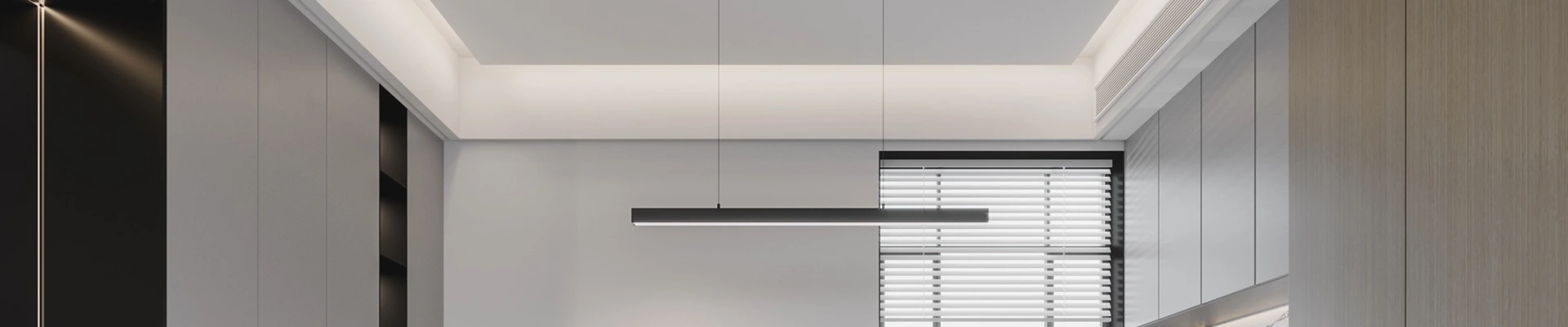
How Are Wall Washer Lights Evolving from Static Illumination to Dynamic, Pixel-Mapped Visual Canvases?
JHOW Lighting is exploring how Wall Washer Lights are transforming modern spaces from simple brightness solutions into flexible visual environments that combine lighting, design, and smart control. As architectural and commercial spaces demand more adaptable experiences, lighting technology is moving beyond traditional illumination toward creative expression.
The Shift from Basic Lighting to Interactive Visual Design
For many years, wall washing technology was mainly used to create uniform brightness on walls, facades, and display areas. The goal was simple: remove dark corners, highlight structures, and improve overall atmosphere. However, the rapid development of LED technology, intelligent control systems, and digital design concepts has changed expectations.
Today, lighting designers are looking at walls as active visual surfaces rather than passive backgrounds. Modern Wall Washer Lights can support dynamic color changes, segmented control, and programmable effects, allowing spaces to adapt according to different occasions, environments, and brand identities.
This evolution is especially noticeable in commercial buildings, hotels, restaurants, cultural venues, retail spaces, and smart offices. Instead of installing fixed lighting that remains unchanged for years, many projects now require lighting systems that can respond to different scenes.
Why Dynamic Lighting Is Becoming More Important
The demand for flexible lighting comes from several practical challenges faced by modern spaces:
| Traditional Lighting Challenge | New Lighting Approach |
|---|---|
| Fixed brightness and limited atmosphere changes | Adjustable brightness, colors, and lighting scenes |
| Difficult maintenance after installation | Longer-lasting LED solutions with easier management |
| Separate lighting for different occasions | One system supporting multiple applications |
| Limited creative possibilities | Digital effects and customized visual experiences |
For property developers, designers, and project planners, the value of dynamic lighting is not only visual improvement. It also helps spaces become more adaptable over time. A restaurant may require warm and comfortable lighting in the evening, while an event venue may need colorful effects for special activities. Flexible LED solutions provide more possibilities without completely replacing the existing system.
From Linear Illumination to Pixel-Mapped Lighting Experiences
One of the most significant trends in the lighting industry is pixel-mapped control. Unlike traditional lamps that produce a single lighting output, pixel-based systems divide light sources into smaller controllable sections. Each section can display different colors, brightness levels, or movement effects.
This technology allows walls, ceilings, and architectural surfaces to become large visual displays. Designers can create flowing patterns, gradual color transitions, or synchronized lighting effects that match music, events, or environmental conditions.
Although pixel mapping was once mainly associated with entertainment venues, it is gradually entering broader applications. Hotels, shopping centers, museums, and public spaces are beginning to use dynamic lighting to create memorable environments while maintaining energy efficiency.
JHOW Lighting’s Role in Modern LED Development
Based in Jiangmen High-tech Park, Guangdong JHOW Optoelectronic Technology Co., Ltd. has focused on lighting design, research, production, and application development since 2012. With a production base covering more than 30,000 square meters, the company has developed a broad product portfolio covering commercial lighting, general lighting, linear lighting systems, and intelligent lighting solutions.
The company’s lighting products include LED PAR lights, track lights, downlights, magnetic lighting systems, office lights, panel lights, and ceiling fan lights. These product categories reflect the changing needs of modern projects, where energy efficiency, visual comfort, and design flexibility are increasingly connected.
Among these solutions, advanced Wall Washer Lights represent an important direction in architectural lighting development. They help create balanced illumination while supporting more creative applications through improved optical design, better light distribution, and compatibility with intelligent control technologies.
How New Lighting Technologies Solve Real Project Needs
Modern lighting projects often face several concerns, including energy consumption, maintenance costs, design limitations, and changing usage requirements. New-generation LED systems are designed to address these challenges.
| Project Need | Lighting Technology Response |
|---|---|
| Reduce energy usage | High-efficiency LED chips and optimized optical structures |
| Create different atmospheres | Smart dimming and programmable lighting scenes |
| Improve visual comfort | Better beam control and reduced glare design |
| Support future upgrades | Flexible systems compatible with intelligent controls |
For offices, better lighting can improve workplace comfort. For hospitality spaces, adjustable lighting can create different moods throughout the day. For cultural and commercial projects, dynamic effects can enhance visitor experiences without relying on additional decoration.
The Growing Connection Between Lighting and Smart Spaces
Smart building development is also accelerating the transformation of lighting systems. Connected lighting can integrate with sensors, digital platforms, and automation systems to improve efficiency and convenience.
Future lighting environments are expected to become more responsive. Lights may adjust according to natural daylight, occupancy levels, events, or user preferences. This does not mean every space needs complicated effects; instead, it means lighting can become more intelligent and better matched to real usage.
The combination of LED innovation and digital control is opening new possibilities for designers. A wall is no longer simply a surface that receives light. It can become an important part of the overall environment.
Industry Outlook: Lighting as a Flexible Design Tool
The development of architectural lighting shows a clear movement from fixed-function products toward adaptable systems. Customers are increasingly interested in solutions that balance appearance, efficiency, reliability, and long-term usability.
Future trends will likely focus on easier control systems, improved energy performance, and more personalized lighting experiences. As technology becomes more accessible, dynamic lighting applications that were once limited to large projects may become common in everyday commercial and residential environments.
The transformation of lighting is not only about brighter spaces but also about creating smarter and more flexible environments. Through products such as LED PAR lights, track lights, downlights, and Wall Washer Lights, Guangdong JHOW Optoelectronic Technology Co., Ltd. continues to reflect the industry’s movement toward intelligent and adaptable illumination solutions.